












































10 Proven Meditation Techniques for Beginners to Reduce Stress
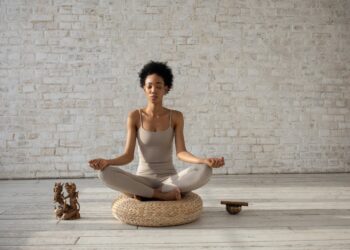
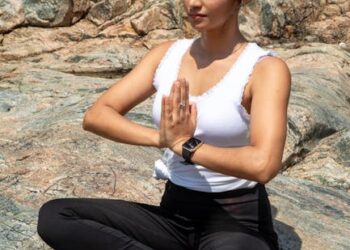
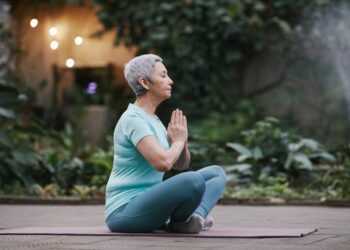
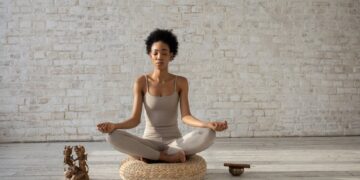
Stress is an inevitable part of life, but how we manage it makes all the difference. Meditation, an ancient practice rooted in various cultures worldwide, has been proven to be a powerful tool in reducing stress. If you’re new to meditation, figuring out where to start might feel a bit daunting. That’s why we’ve compiled a list of 10 proven meditation techniques tailored specifically for beginners to help ease your stress levels. Grab your meditation cushion (or just a comfortable seat), and let’s dive into these calming practices.
1. Mindful Breathing
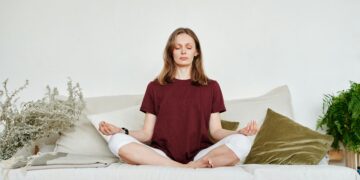
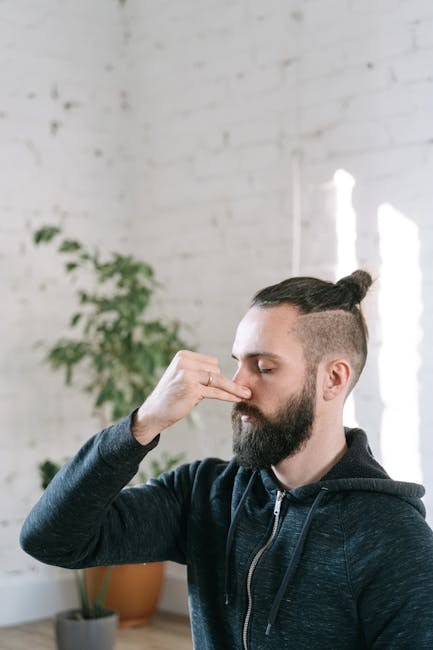
The foundation of all meditation is the breath. Mindful breathing involves focusing your attention on your breath, the inhale and exhale. To practice, find a quiet place, sit in a comfortable position, and simply concentrate on breathing slowly. Inhale through your nose, feeling your chest and belly rise, and exhale through your mouth, noticing the sensations of your body as you release the air. Whenever your mind wanders, just gently bring your focus back to your breath.
2. Body Scan Meditation
Body scan meditation encourages heightened awareness of the physical sensations within your body. Lie down or sit comfortably and close your eyes. Start by focusing on the sensations in your feet – whether it’s warmth, coolness, or anything in between – and slowly move your attention up through each part of your body. This gradual journey through your body helps identify areas of tension and stress, promoting a state of deep relaxation.
3. Walking Meditation
Walking meditation merges mindfulness with gentle physical activity. Choose a peaceful spot where you can walk back and forth. Focus on the experience of walking, being aware of the sensations of standing, and the subtle movements that help maintain your balance. With each step, note the lifting, moving, and setting down of your foot. This practice not only reduces stress but also adds a gentle exercise component to your routine.
4. Guided Visualization
Guided visualization involves mentally picturing a place that makes you feel calm and happy. To practice, close your eyes and imagine a peaceful setting, perhaps a quiet forest, a sunny beach, or a favorite childhood spot. Engage all your senses to make the experience feel real – the smells, sounds, and sensations. This technique can be enhanced with recorded guided visualizations available online, which can lead you through the process.
5. Mantra Meditation
Mantra meditation uses a repetitive sound to clear the mind. This can be a word, phrase, or sound, such as the classic “Om.” Repeat your chosen mantra silently or aloud, allowing the repetition to anchor your mind, reducing stress and promoting inner peace. Over time, this practice helps you cultivate a deeper sense of calm that can extend beyond your meditation sessions.
6. Zazen (Zen Meditation)
Zazen, or Zen meditation, is the heart of Zen Buddhist practice. The method involves sitting upright and following the breath, especially the movement of breath in the belly. It typically requires keeping the eyes half-closed and focusing on a point on the floor a few feet ahead of you, which can help maintain alertness during meditation.
7. Progressive Relaxation
Also known as progressive muscle relaxation, this technique involves tensing and then relaxing different muscle groups in the body. It can help identify areas where you hold stress physically and learn to release that tension. Start from your toes, tense them for a few seconds, then relax; progressively work your way up to the top of your head.
8. Loving Kindness Meditation (Metta)
Metta, or loving-kindness meditation, focuses on developing feelings of goodwill, kindness, and warmth towards others. Start by generating these feelings towards yourself, then gradually extend this affection to friends, family, acquaintances, and ultimately, to all beings. This type of meditation not only reduces stress but also increases your feelings of connection and empathy.
9. Concentrative Meditation
Concentrative meditation involves focusing all your attention on a single point. This could be your breath, a mantra, or even a candle flame. The key is to continually bring your focus back to the chosen object whenever you notice your mind has wandered. This practice enhances your ability to concentrate and calms the mind.
10. Transcendental Meditation
Transcendental Meditation is a technique where you sit comfortably with your eyes closed and silently repeat a personally assigned mantra in a specific way. It’s a simple, natural, and effortless way of letting your mind settle into a state of profound rest and relaxation, becoming stress-free.
Conclusion
Starting a meditation practice as a beginner can seem intimidating at first, but with these 10 proven meditation techniques, you’re well-equipped to begin your journey towards stress reduction. Remember, the best meditation technique is the one that resonates with you and fits into your lifestyle. By incorporating meditation into your daily routine, you can improve your mental and emotional well-being, fostering a peaceful mind amidst the chaos of daily life. Embrace these practices, and watch your stress melt away, one breath at a time. Happy meditating!