
















































7 Proven Meditation for Sleep Techniques That Work Wonders
Sleep, the ultimate restorator of health and vitality, often proves elusive to many in our bustling modern world. Whether it’s a mind buzzing with day-to-day anxieties or physical discomfort, a good night’s rest can be hard to achieve. Here, we delve into seven proven meditation for sleep techniques that promise to transport you to the land of dreams more effortlessly.
What is Meditation for Sleep?
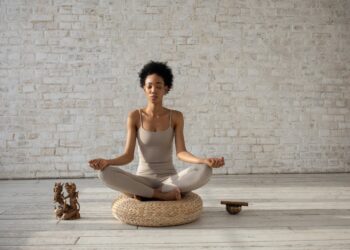
Before we delve into the specific techniques, it’s helpful to understand exactly what meditation for sleep entails. Meditation for sleep is a practice aimed at calming the mind and easing the body into a state conducive to sleep. It usually involves relaxation techniques, controlling your breathing, and mindfully tuning out from daily stresses.
Why Try Meditation for Sleep?
Why should meditation for sleep be part of your nightly routine? For one, it’s natural and non-invasive, offering a tranquility that doesn’t rely on medications. By lowering stress levels, increasing relaxation, and stabilizing your mood, meditation can improve not just the quantity of your sleep, but the quality too.
1. Mindfulness Meditation
Mindfulness meditation is one of the most accessible forms of meditation and involves paying attention to your thoughts as they pass through your mind. You witness without judgment and gradually learn not to engage with them.
How to Practice:
- Find a comfortable spot and sit or lie down.
- Close your eyes and focus singularly on your breathing. Observe each inhale and exhale without attempting to change their pace or intensity.
- As thoughts come into your mind, recognize them but let them float by, bringing your focus back to your breathing.
This technique helps you break the cycle of worry and rumination that often takes over when you’re trying to fall asleep.
2. Guided Visualization
Guided visualization involves mentally picturing a place that makes you feel peaceful and relaxed. The aim is to engage your mind with calming thoughts until you drift off to sleep.
How to Practice:
- Lie in bed, close your eyes, and imagine a serene setting, perhaps a quiet beach or a tranquil forest.
- Employ all your senses: hear the waves or the rustle of the leaves, smell the ocean or the trees, feel the warm sun or a gentle breeze.
- This vivid mental escape can reduce the pace of your thoughts and usher in sleep.
3. Body Scan Meditation
A body scan is a technique meant to sync your body and mind by focusing attention on various parts of your body in succession, often from head to toe.
How to Practice:
- Start at the tip of your head and gradually move your focus down, noticing any tension or discomfort but not engaging with these sensations.
- With each breath, imagine releasing tension from each targeted area.
- This form of meditation is excellent for those whose physical discomfort keeps them awake. It brings awareness to and subsequently relaxes different body parts.
4. Mantra Repetition
Repeating a mantra silently can help focus your thoughts and evoke a meditative state. This is great for those who might find it particularly hard to clear their mind using silent meditation.
How to Practice:
- Choose a calming word or phrase, such as “peace” or “relax.”
- Repeat this gently in your mind, syncing it with your breathing.
- The repetition offers a mental focal point and can be a soothing bridge to sleep.
5. Progressive Muscle Relaxation
Progressive muscle relaxation involves gradually tensing and then relaxing each muscle group in the body. This can help alleviate physical tension and facilitate a deeper state of relaxation.
How to Practice:
- Start from your feet, tense the muscles tightly but not to the point of strain.
- Hold for a few seconds then relax.
- Work your way up through each part of your body.
6. Breathing Exercises
Simple breathing techniques can alter your body’s arousal state, encouraging relaxation.
How to Practice:
- Try the 4-7-8 method: inhale for a count of four, hold the breath for seven, and exhale slowly for eight counts.
- This particular breathing pattern promotes reduced anxiety and emotional calm.
7. Reflective Meditation
Ending your day by reflecting on positive moments or things for which you’re grateful can shift your mindset from stress to contentment.
How to Practice:
- In bed, think back through your day and identify at least three positive things, however small.
- Allow yourself to feel gratitude or joy for these moments.
Conclusion
Exploring these seven proven meditation for sleep techniques can transform your nighttime routine and significantly impact your sleep quality. Whether you choose to focus on your breath, relax your body, or guide your thoughts to a more serene narrative, practicing these meditations consistently can foster quicker, deeper, and more restorative sleep. “( Sweet dreams await!