



















































Unlocking Inner Peace: Daily Mindfulness Exercises to Transform Your Life
In today’s fast-paced world, finding a moment of tranquility can seem like searching for a quiet corner in a bustling city. However, the journey to attain inner peace is not as elusive as it may appear. Mindfulness, the practice of maintaining a nonjudgmental state of complete awareness of one’s thoughts, emotions, or experiences on a moment-to-moment basis, can be a transformative tool. This article will explore practical daily mindfulness exercises designed to enhance your mental clarity and cultivate a peaceful life.
What is Mindfulness?
Mindfulness is the art of being present. In its simplest form, it means managing the ability to remain grounded in the current moment, rather than being distracted by regrets in the past or worries about the future. Training your mind to stay focused on the here and now can significantly reduce stress and promote a lasting sense of peace.
Benefits of Mindfulness Exercises
Integrating mindfulness into your daily routine can have profound effects on your overall well-being. It has been shown to reduce stress, enhance emotional intelligence, increase focus, and improve relationships. Whether you’re a busy professional, a stressed student, or someone navigating the complexities of life, mindfulness provides tools to better manage your emotional landscape.
Reduced Stress and Anxiety
Regular mindfulness practice can help lower levels of stress and anxiety by enhancing your ability to regulate emotions, leading to a more peaceful mind.
Enhanced Focus and Concentration
By training your mind to focus on the present, mindfulness exercises improve your concentration, making daily tasks and decision-making easier.
Improved Physical Health
Studies suggest that mindfulness can contribute to a healthier lifestyle by lowering blood pressure, improving sleep, and alleviating gastrointestinal difficulties.
Practical Mindfulness Exercises to Try
Embarking on your mindfulness journey doesn’t require hours of meditation in silence. Here are some practical, easy-to-implement exercises that can be integrated into your everyday life to help you find your calm.
1. Mindful Breathing
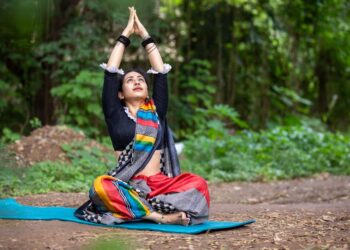
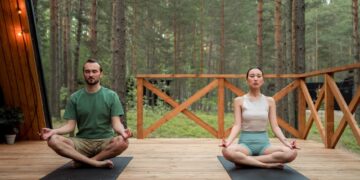
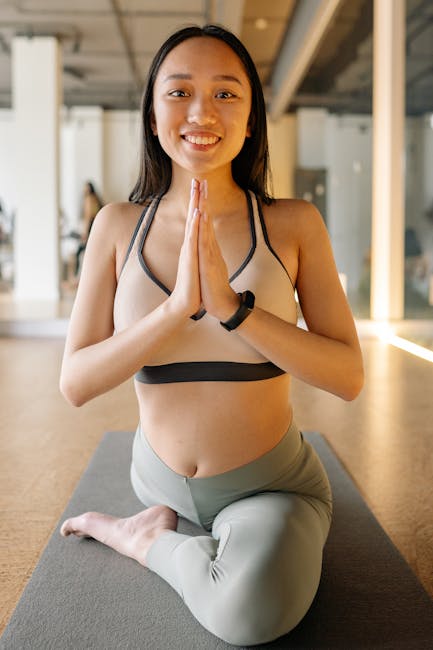
This foundational exercise involves focusing on your breath as the key anchor to the present moment. Simply find a comfortable sitting position, close your eyes, and begin to inhale and exhale deeply. Concentrate on the rise and fall of your chest or the sensation of air passing through your nostrils. Whenever you find your thoughts wandering, gently guide them back to your breathing.
2. Sensory Observation
Pick any object within your immediate environment and explore it with all your senses. For example, if you choose a flower, notice its colors, smell its scent, feel its texture, and if applicable, listen to the sound of its leaves rustling. This practice helps enhance your attention to detail and keeps you anchored in the present.
3. Mindful Walking
Turn a regular walk into a practice of mindfulness by fully immersing yourself in the experience. Feel each foot as it touches the ground, note the rhythm of your steps, and observe as many details around you as possible. Whether it’s a busy street or a quiet park, apply mindfulness to appreciate your surroundings fully.
4. Gratitude Journaling
At the end of each day, take a few minutes to jot down three things you are grateful for. This practice not only fosters a positive mindset but also brings you into a state of mindfulness by focusing on the joys and blessings of the current day.
Addressing Common Roadblocks
While practicing mindfulness, you may encounter distractions or discomfort. Here’s how to navigate some common roadblocks:
Fighting Distractions
It’s normal for your mind to wander. Each time you notice a distraction, acknowledge it, and gently redirect your attention back to your practice, whether it’s your breath, a walk, or journaling.
Consistency Challenges
Like any other skill, mindfulness requires regular practice. Set specific times for your mindfulness exercises, and use reminders or alarms if needed to help maintain your routine.
Emotional Resistance
Sometimes, staying in the present might stir up emotions you’ve been avoiding. Face these feelings with kindness and remind yourself that mindfulness isn’t about suppression but about observation and acceptance without judgment.
Bringing It All Together
Mindfulness is a journey, not a destination. Incorporating these simple exercises into your daily life can significantly influence your mental health, emotional resilience, and overall well-being. Start small, stay consistent, and watch as your practice grows, unknotting the stresses of life, and leading you to a place of enduring peace and clarity.
Final Thoughts
Unlocking your inner peace through mindfulness is a transformative process that encourages living in the present while handling the past and future with a newfound wisdom and calm. Experiment with the exercises outlined above to see what resonates with you the most. Remember, the journey to peace begins with a single mindful step.
Begin your journey today, embrace each moment, and transform your life one breath at a time!