









































5 Simple Meditation Techniques for Stress Relief: A Beginner’s Guide
In our fast-paced, always-on world, stress is not just a common experience, it’s almost a way of life for many. While small doses of stress can spur us on, too much can wear us down both mentally and physically. This is where meditation comes into play. Meditation is a key practice for calming the mind and reducing stress. It’s a skill anyone can learn and, more importantly, it’s a tool everyone can use. If you’re new to meditation or you’re looking to find peace in your hectic schedule, you’ve come to the right place. In this article, I’ll walk you through 5 Simple Meditation Techniques for Stress Relief: A Beginner’s Guide.
Why Meditate for Stress Relief?
Before diving into the techniques, let’s explore why meditation is such a powerful tool for stress relief. Meditation helps by switching your focus from stress to calm. It increases awareness of the present, reduces negative emotions, and fosters an overall sense of well-being. Scientific studies have shown that meditation can significantly lower cortisol levels, the hormone associated with stress, thereby not only making you feel more relaxed but also benefiting your health in multiple ways.
1. Mindfulness Meditation
What Is Mindfulness Meditation?
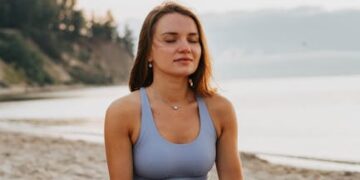
Mindfulness meditation is all about being extremely aware and present in the moment. This means observing your thoughts, feelings, and sensations as they arise, without judgment.
How to Practice:
- Find a Quiet Spot: Choose a peaceful place where you won’t be disturbed.
- Set a Time Limit: Start with just 5 minutes a day.
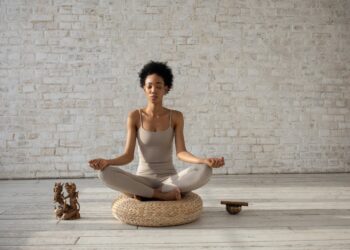
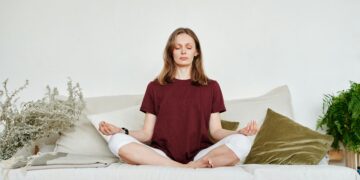
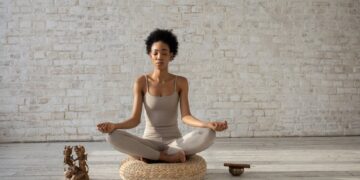
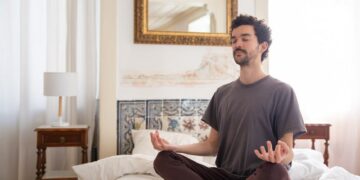
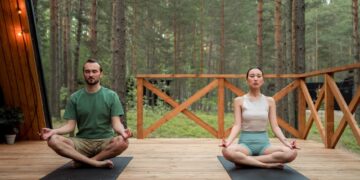
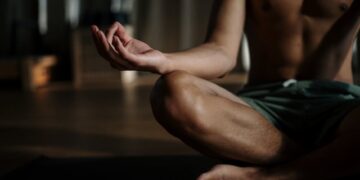
- Sit in a Comfortable Position: You can sit on a chair, cushion, or on the floor, ensuring your back is straight.
- Focus on Your Breath: Pay attention to the sensation of your breath as it goes in and out. Notice the rise and fall of your chest or the feeling of air passing through your nostrils.
- Acknowledge Your Thoughts: When your mind wanders, gently bring your focus back to your breathing without criticizing yourself.
Mindfulness meditation is effective because it helps reduce the tendency to react in knee-jerk ways to stressful situations, fostering a more thoughtful approach to life.
2. Progressive Muscle Relaxation (PMR)
What Is PMR?
Progressive Muscle Relaxation is a technique where you tense each muscle group, but consciously release that tension and notice how your muscles feel when you relax.
How to Practice:
- Find a Comfortable Spot: Sit or lie down in a comfortable position.
- Work Through Your Muscle Groups: Start with your feet and move upwards. Tense each muscle group for about five seconds; then relax for 30 seconds, and move to the next group.
- Breathe in When Tensing, Breathe Out When Relaxing: Coordinating your breathing with your movements helps enhance the relaxation effect.
- Notice the Sensations: Focus on the change between tension and relaxation. This awareness brings relaxation to the deepest parts of your muscles.
PMR is particularly good for physical stress relief, as it reduces the overall tension in your body, which is often a side effect of mental stress.
3. Visualization Meditation
What Is Visualization Meditation?
This form of meditation involves focusing on positive images or pictures to replace negative or stressful feelings. It taps into the power of your mind to relax and invigorate your body.
How to Practice:
- Find a Quiet Place and Close Your Eyes: Minimize distractions.
- Breathe Deeply and Relax Your Body:
- Imagine a Peaceful Scene: Picture yourself on a sunny beach, in a beautiful forest, or anywhere that gives you a sense of calm.
- Engage All Your Senses: What do you see, hear, smell, touch, taste? The more detailed, the better.
- Stay in Your Scene: Dive into your image, exploring the environment for as long as you wish.
Visualization not only helps reduce stress but also enhances your mood and increases your overall emotional well-being.
4. Mantra Meditation
What Is Mantra Meditation?
Mantra meditation is the practice of repeating a syllable, word, or phrase during meditation to focus and calm the mind.
How to Practice:
- Choose Your Mantra: It can be a word like “Peace” or a traditional mantra like “Om.”
- Find a Comfortable Position: Sit comfortably with your eyes closed.
- Repeat Your Mantra: Silently repeat your mantra in your mind. You can synchronize it with your breath if that helps.
- Gently Return When Distracted: If your attention wanders, calmly return to your mantra.
Integrating a mantra into your meditation can help anchor the mind, making this a very effective practice for beginners who might struggle with runaway thoughts.
5. Walking Meditation
What Is Walking Meditation?
Walking meditation is a form of meditation in action. In this practice, walking is the focus instead of your breath.
How to Practice:
- Find a Quiet, Safe Place to Walk: A garden, park, or even a quiet corridor will work.
- Focus on the Movement: Pay attention to the sensation of walking. Notice how your feet feel with each step, how your arms swing, and how your body balances.
- Maintain a Slow Pace: The purpose is to focus on the movement and sensation, not to reach physical fitness goals.
Walking meditation is particularly useful for those who find peace in gentle activity and prefer not to sit still.
Conclusion
Stress is undoubtedly challenging, but incorporating meditation into your daily routine can make a significant difference. Whether you choose mindfulness, muscle relaxation, visualization, mantra, or walking meditation, each technique offers a unique pathway to stress relief. Remember, the goal of meditation is not to eliminate stress completely but to manage it more effectively. Practice these 5 simple meditation techniques regularly and observe the transformation in your stress levels and overall sense of well-being. Start small, be consistent, and watch your proficiency grow. Peace and relaxation are within your grasp!