












































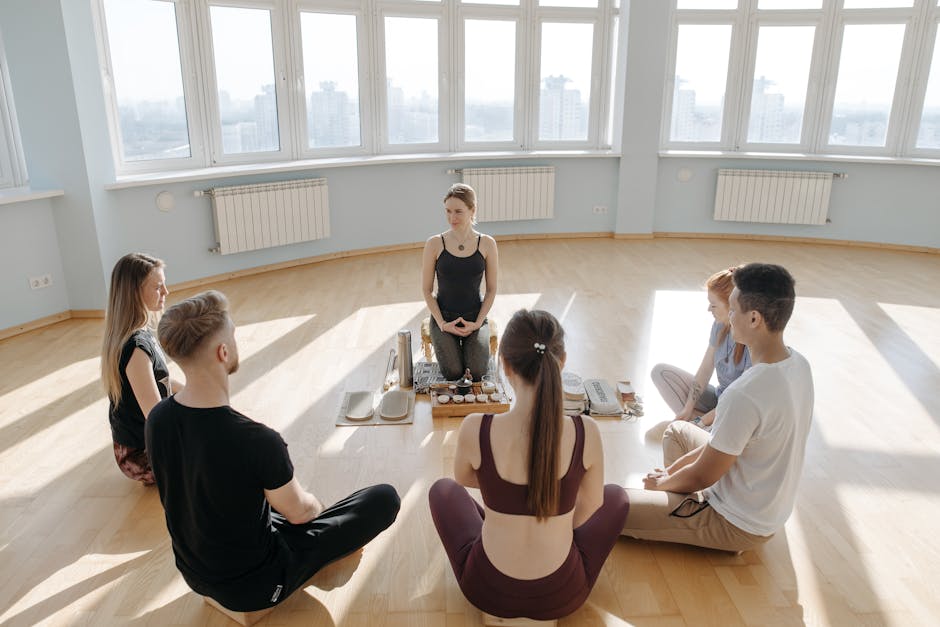
Unlocking Peace: Exploring Meditation for Stress Relief
Today’s fast-paced world often leaves us feeling anxious and stressed. Whether it’s the pressure from school, work, or personal circumstances, stress can significantly impact both our mental and physical health. One effective tool that has gained popularity for combating stress is meditation. This ancient practice can be a haven for those seeking solace in today’s turbulent times.
What is Meditation?
Meditation involves engaging in a specific technique, such as mindfulness, or focusing the mind on a particular thought or activity, to train attention and awareness, and achieve a mentally clear and emotionally calm state. Despite its simplicity, the effects of meditation can be profoundly transformative.
Types of Meditation Techniques
- Mindfulness Meditation: This involves paying attention to your thoughts as they pass through your mind. You observe without judgment and focus on being intensely aware of what you’re sensing and feeling in the moment.
- Guided Meditation: Also known as guided imagery or visualization, with this method, you form mental images of places or situations you find relaxing.
- Mantra Meditation: In this style, you silently repeat a calming word, thought, or phrase to prevent distracting thoughts.
How Meditation Enhances Stress Relief
Meditation can reduce stress levels by impacting the body’s stress response mechanism. The practice aids in decreasing levels of cortisol, the stress hormone, and promotes a state of relaxation. Regular meditation sessions translate to less anxiety through time, reduced levels of stress, and improved mental clarity and concentration. Here’s how meditation achieves this:
Calming the Mind
Meditation helps in quieting the endless chatter of the mind. It teaches us to refocus our attention on something calming and peaceful, reducing racing thoughts that often fuel anxiety and stress.
Enhancing Self-Awareness
By becoming more aware of your thoughts and emotions through meditation, you can gain a better understanding of how to manage your stress reactions. This self-awareness is a crucial step towards personal growth and stress management.
Improving Physical Health
Stress can lead to physical ailments like hypertension, heart disease, and insomnia. Meditation has been shown to improve symptoms of stress-related conditions by enhancing overall health and immune system performance.
Beginning Your Meditation Journey
Starting a meditation practice can seem intimidating at first, but it’s actually quite accessible. Here are some tips to help you embark on your meditation journey for stress relief:
Setting up a Meditation Space
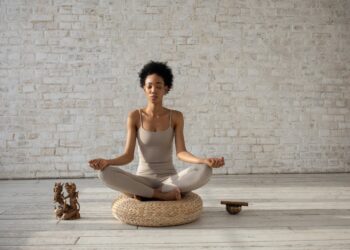
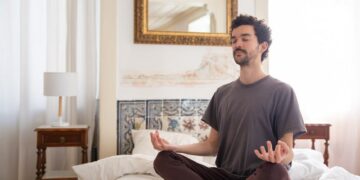
Create a quiet, clutter-free area in your home that is dedicated to your practice. This should be a peaceful spot where you can relax without interruption.
Choosing a Time
Consistency is key in meditation. Try to meditate at the same time every day, whether it’s morning, afternoon, or evening, so that it becomes a part of your daily routine.
Begin with Short Sessions
If you’re new to meditation, start with short, 5-10 minute sessions. You can gradually increase the duration as you get more comfortable with the practice.
Incorporating Meditation into Your Daily Life
You don’t have to spend hours meditating to feel its benefits. Incorporating short meditation sessions into your daily routine can significantly help manage stress. Here are practical ways to integrate meditation into your bustling life:
Morning Meditation
Start your day with a short meditation session each morning. This sets a calm, positive tone for the day ahead, helping you manage stress better throughout the day.
Mindful Breaks
Use breaks between work or classes for a quick meditation. Even a few minutes can help reset your mind and reduce stress.
Meditative Walks
Turn walks into meditative exercises by paying close attention to the sensation of your feet touching the ground, the sounds around you, and the feeling of the air on your skin. This practice helps bring a sense of peace and grounding.
The Takeaway
Meditation is a powerful tool for stress relief that can improve your quality of life by enhancing both mental and physical health. By incorporating meditation practices into your daily life, you can start to experience a deeper sense of peace and resilience against stress.
As with any new skill, patience and consistency are key. With time and practice, anyone can harness the benefits of meditation, unlocking a more peaceful, stress-free existence.