




















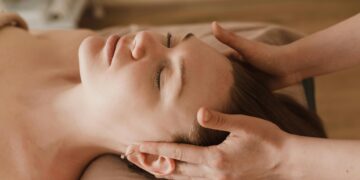


























Unlocking Calm: 5 Ways Progressive Muscle Relaxation Can Ease Your Mind
In today’s fast-paced world, finding a moment of tranquility can seem like searching for a needle in a haystack. With your phone buzzing, email pinging, and every minute scheduled, where do you find the time to just relax? Enter Progressive Muscle Relaxation (PMR), a powerful tool that can help you achieve mental and physical calm in just a few minutes. Let’s explore how PMR can become your go-to relaxation technique, promoting a serene mind amidst the chaos of everyday life.
What is Progressive Muscle Relaxation?
Progressive Muscle Relaxation (PMR) is a technique developed by Dr. Edmund Jacobson in the early 20th century. It involves tensing specific muscle groups in your body and then relaxing them to create a state of calm. The idea is simple: by tightening and releasing muscles, you can lower your overall stress and anxiety levels, helping your body and mind to unwind effectively.
1. Enhances Sleep Quality
Tiring Out the Muscles to Rest the Mind
One of the prime benefits of Progressive Muscle Relaxation is its ability to improve sleep quality. When you tense and then relax your muscles, it can help alleviate the physical symptoms of stress and anxiety, which are often the culprits behind sleepless nights. By systematically working through the muscle groups, you are not only diverting your focus from daily worries but also easing the physical tension that can keep you awake. Here’s how you can integrate PMR into your bedtime routine:
- Start by tensing your feet muscles for about five seconds and then relax them for 30 seconds.
- Move upward to your calves, thighs, abdomen, and so on, until you reach your facial muscles.
- Spend around 15 minutes each night practicing this, and observe the improvement in your sleep patterns over a few weeks.
2. Reduces Stress and Anxiety
A Break from Mental Overload
Another key advantage of unlocking calm with PMR is its effectiveness in reducing stress and anxiety levels. When you engage in the cycle of tensing and relaxing your muscles, it serves as a physical interruption to ongoing stress and anxiety symptoms. This not only diverts your mind from stressors but also lowers the physical reactions associated with anxiety, such as rapid heartbeat and fast breathing.
3. Lowers Blood Pressure
Keeping the Heart Happy
Consistently practicing PMR can contribute to a reduction in blood pressure. The process of deep relaxation and slow, intentional breathing during the exercise helps in calming the nervous system, which in turn can lower blood pressure. This aspect of PMR is particularly beneficial for those dealing with hypertension, offering a natural and non-pharmacological way to manage their condition.
4. Improves Concentration and Focus
Clearing the Mental Clutter
If you find your mind frequently clouded with a myriad of thoughts, Progressive Muscle Relaxation can help. By focusing on one muscle group at a time, PMR forces you to concentrate on the present moment, thus clearing out mental clutter. This improved focus can enhance your productivity at work or any other activities that require mental clarity.
5. Increases Emotional Resilience
Building a Stronger You
By regularly practicing Progressive Muscle Relaxation, you can increase your emotional resilience. Stress often triggers emotional responses that can be overwhelming; however, by maintaining a routine of PMR, you can train your body and mind to handle stressful situations more effectively. This technique provides a proactive way to strengthen your emotional health, enabling you to cope better in various life situations.
Conclusion: Taking Back Control
Unlocking calm with the 5 ways Progressive Muscle Relaxation can ease your mind is not just about releasing muscle tension—it’s about reclaiming your peace of mind. Whether you’re struggling with sleep, battling stress, or trying to enhance your productivity, PMR offers a simple yet effective solution. Incorporate it into your daily routine, and watch as your body and mind transform towards a more relaxed and focused state. Remember, the journey to tranquility begins with a single step—or in this case, a single tense and relax! So why not start today?