












































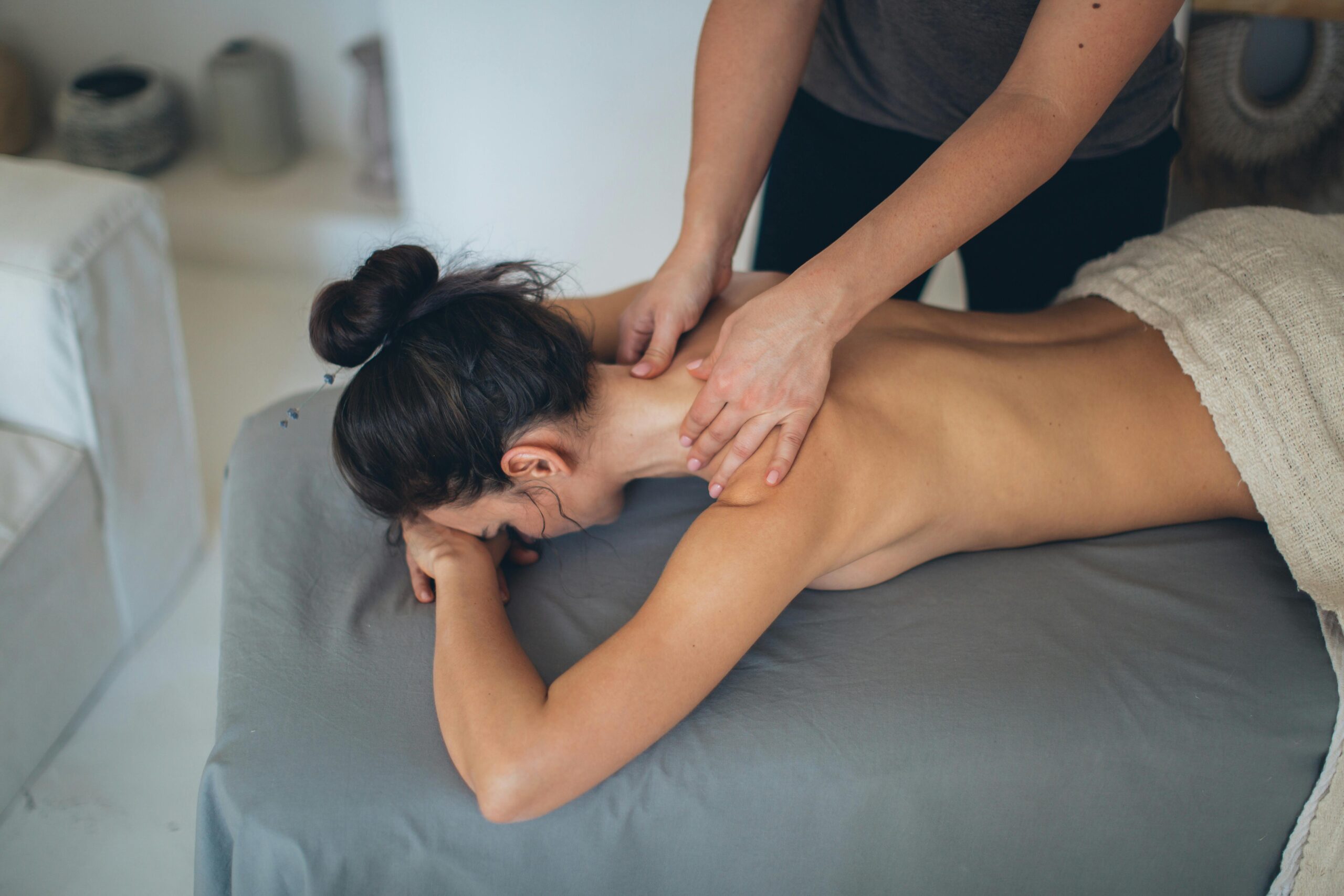
Unveil Serenity: Exploring Calming Techniques for Daily Stress Management
In our fast-paced world, stress is as common as the air we breathe. Managing stress not only improves our quality of life but also protects our physical and mental health. This guide delves into various calming techniques that can help you manage daily stress, promoting a balanced, healthier lifestyle.
Understanding Stress and Its Effects
Before jumping into stress-management techniques, it’s crucial to understand what stress is and how it affects us. Stress may be defined as a physical, mental, or emotional factor that causes bodily or mental unrest. While the occasional stress is part of everyday life, continuous stress can lead to chronic health issues, such as heart disease, anxiety disorders, and depression. Proper stress management can help you live a more peaceful, productive life.
Techniques for Stress Relief
1. Deep Breathing Exercises
One of the simplest and most effective methods to reduce stress is through deep breathing exercises. Techniques such as the ‘4-7-8 breathing technique’, where you breathe in for 4 seconds, hold your breath for 7 seconds, and exhale for 8 seconds, can immediately reduce stress levels. These exercises aid in lowering your heart rate and promoting a state of calmness throughout your body.
2. Progressive Muscle Relaxation (PMR)
Progressive Muscle Relaxation involves tensing each muscle group in the body tightly, but not to the point of strain, and then slowly relaxing them. This practice promotes awareness of physical sensations and can be particularly beneficial right before bed or during times when you feel physical tension from stress.
3. Guided Imagery
Guided Imagery is a technique focused on visualizing calm and peaceful settings or events to help reduce anxiety and stress. For instance, picturing yourself on a quiet beach with the gentle sound of waves can transport your mind to a less stressed state. This technique not only aids in relaxation but can also help distract from the day-to-day anxieties.
4. Mindfulness and Meditation
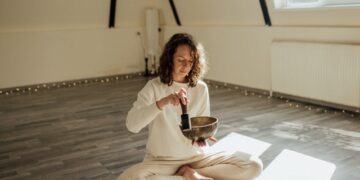
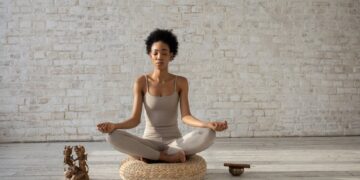
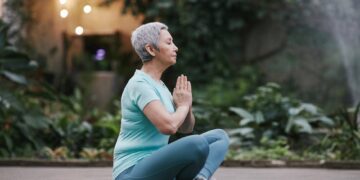
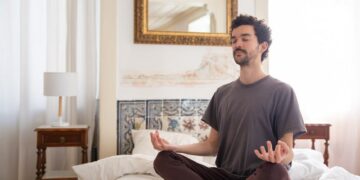
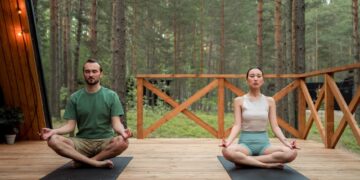
Mindfulness and meditation are about present moment awareness without judgment. Daily practices, even just for a few minutes, can make a significant difference in your overall stress levels. Various apps and online resources are available to help beginners.
5. Physical Activity
Exercise is a potent stress reliever. It might seem contradictory, but putting physical stress on your body through exercise can relieve mental stress. Activities such as walking, dancing, biking, and yoga help produce endorphins, often referred to as the brain’s “feel-good” neurotransmitters.
6. Adequate Sleep
Quality sleep is crucial in managing stress levels. Establish a relaxing bedtime routine, and try to go to bed and wake up at the same time each day. Reducing screen time before sleep can also improve sleep quality.
7. Healthy Eating Habits
A well-balanced diet can help in managing stress. Foods rich in vitamin B, such as whole grains and beans, vitamin C, like oranges and strawberries, and omega-3 fatty acids, found in fish and flaxseed, can promote brain health and reduce stress symptoms.
FAQs in Managing Daily Stress
Q1: How Can I Quickly Calm Down When Feeling Overwhelmed?
A quick way to calm down is to practice deep breathing exercises. Alternatively, a short walk or stepping into a quiet space can also help.
Q2: Do Herbal Teas Work for Stress Management?
Herbal teas like chamomile, lavender, and peppermint are known for their soothing properties and can help in reducing stress.
Q3: How Often Should I Practice These Stress-Relief Techniques?
Incorporating stress-relief techniques daily can help manage stress more effectively. However, even a few times a week can make a noticeable difference.
Conclusion
Managing stress is crucial for maintaining our health and well-being. By incorporating techniques such as deep breathing, PMR, guided imagery, mindfulness, physical activities, and proper dietary habits into our lifestyles, we can handle everyday stressors more effectively. Start small—try introducing one or two techniques into your routine, then build from there. The key is to be consistent and patient, allowing these methods to foster tranquility and a more stress-free life.