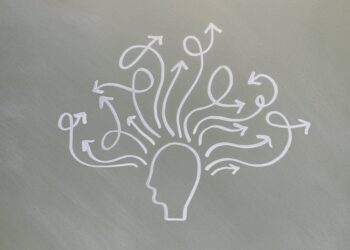























































Understanding the Basics of Mental Health Awareness: A Beginner’s Guide
Exploring the realm of mental health can be like navigating a vast ocean. With its complexities and nuances, understanding mental health is crucial for well-being. This guide aims to simplify the basics of mental health awareness, making it accessible for students and engaging for adults.
What is Mental Health?
Mental health involves our emotional, psychological, and social well-being. It affects how we think, feel, and behave in daily activities. It also helps determine how we handle stress, relate to others, and make choices. Mental health is important at every stage of life, from childhood through adulthood.
Why is Mental Health Awareness Important?
Increasing awareness about mental health is crucial as it can lead to early detection and intervention, which can improve lives dramatically. Understanding mental health also reduces the stigma surrounding mental health issues, encouraging more people to seek help and support when needed.
Common Mental Health Disorders
1. Depression
Depression is a common but serious mood disorder. It causes feelings of sadness and/or a loss of interest in activities once enjoyed. It can lead to a variety of emotional and physical problems and can decrease a person’s ability to function at work and at home.
2. Anxiety Disorders
People with anxiety disorders frequently have intense, excessive, and persistent worry and fear about everyday situations. Examples of anxiety disorders include generalized anxiety disorder, panic disorder, and various phobia-related disorders.
Signs of Mental Health Issues
Recognizing the signs of mental health issues can be the first step in getting help. Here are some signs to look out for:
- Changes in mood: Long-lasting sadness or irritability, extremely high and low moods.
- Withdrawal: Avoiding social interactions that were once enjoyable.
- Sleep changes: Dramatic sleep and appetite changes or decline in personal care.
- Dropped performance: An unusual drop in functioning at school, work, or social activities.
Dealing with Stigma
Stigma around mental health issues can make it difficult for individuals to seek help. Combatting this stigma is vital. Here are a few ways how:
- Educate Yourself and Others: Misinformation about mental health is common. Educating yourself can correct these misunderstandings.
- Show Compassion: Treat individuals facing mental health challenges with respect and compassion.
- Advocate: Speak up in advocacy against harsh labeling and discrimination of mental health conditions.
Building a Support System
A strong support system can significantly impact the management and recovery of mental health disorders. Here’s how you can build or be a part of a supportive network:
- Stay Connected: Maintain healthy relationships with your family, friends, and community, offering a great source of support and encouragement.
- Seek Professional Help: Therapists and counselors are specially trained to help manage mental health issues constructively.
- Join Support Groups: These are safe spaces where individuals can share their experiences and find comfort in the community.
Ways to Improve Your Mental Health
Maintaining an optimal level of mental health is not just about avoiding or managing mental illness, it’s also about feeling good about yourself. Here are some tips to enhance your mental health:
- Stay Physically Active: Regular physical activity can boost your mood and reduce symptoms of depression and anxiety.
- Manage Stress: Techniques such as mindfulness, deep breathing, and yoga can reduce stress and improve your mental health.
- Set Realistic Goals: Decide what you want to achieve academically, professionally, and personally, and write down the steps to realize these goals.
Conclusion
Understanding mental health is key to fostering awareness and supporting yourself and others around you. With the right knowledge and resources, managing mental health can be empowering. Remember, mental health is just as important as physical health, and taking care of it is a vital part of leading a balanced life.
Incorporating these actionable steps not only educates but also equips you to handle mental health more effectively, making a positive impact on your overall well-being.