








































Top 10 Physical Relaxation Techniques for Stress Relief
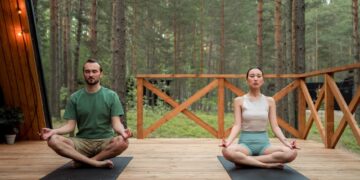
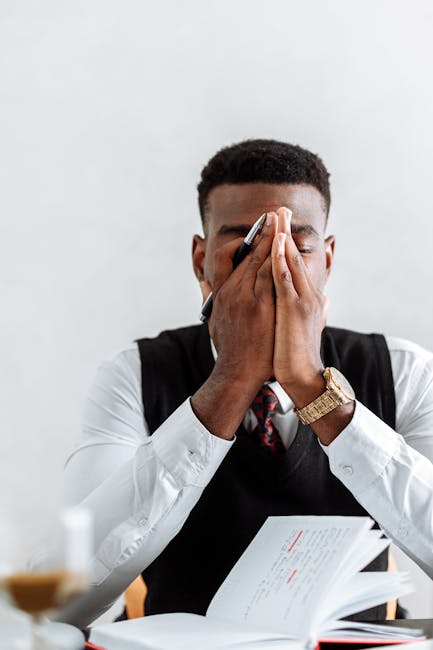
In today’s bustling world, finding moments of peace can sometimes feel like a daunting task. Stress affects us all, and while the mind often bears the brunt, it doesn’t mean our bodies aren’t struggling as well. Engaging in physical relaxation techniques can be a powerful tool for alleviating stress, helping to restore both mental and physical equilibrium. Here’s a look at the top 10 physical relaxation techniques that can lead you to a more serene state of being.
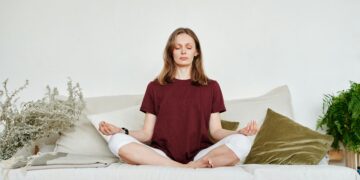
1. Deep Breathing Exercises
Why It Works: Deep breathing is a simple yet effective method to reduce stress. It helps slow the heart rate and lowers blood pressure, promoting a feeling of calm.
How to Do It: Start by sitting comfortably with your back straight. Inhale deeply through your nose, allowing your chest and lower belly to rise as you fill your lungs. Exhale slowly through your mouth. Repeat this process for several minutes.
2. Progressive Muscle Relaxation (PMR)
Why It Works: PMR helps in reducing tension throughout the body by tightening and then releasing different muscle groups, which can decrease the overall feeling of anxiety.
How to Do It: Begin with your feet and work your way up. Tense each muscle group for about five seconds and then relax for 30 seconds. Move to the next muscle group until you have relaxed muscles all the way to your head.
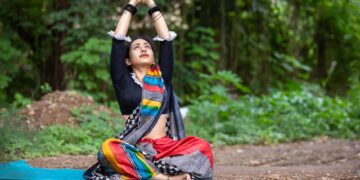
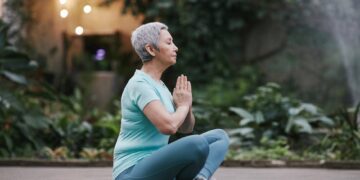
3. Yoga
Why It Works: Yoga combines physical postures, breathing exercises, and meditation to boost physical and mental wellbeing.
How to Do It: Join a yoga class or follow an online session. Start with simple poses like the tree pose, warrior, or downward-facing dog. Focus on your breath and try to clear your mind as you move through the poses.
4. Tai Chi
Why It Works: Often described as “meditation in motion,” Tai Chi is a series of gentle, flowing movements that can help reduce stress.
How to Do It: Tai Chi is best learned in a class or from an instructor to ensure you’re performing the movements correctly and getting the most out of the practice.
5. Walking or Running
Why It Works: Regular aerobic exercise like walking or running can elevate endorphins, improve mood, lower stress levels, and boost self-esteem.
How to Do It: Start with short distances, and gradually increase your pace and distance. Focus on your breathing and the rhythm of your steps.
6. Stretching
Why It Works: Stretching helps alleviate muscle tension caused by stress and can improve flexibility and prevent injury.
How to Do It: Engage in a 10-20 minute daily stretching routine. Focus on major areas like the neck, shoulders, back, hips, and legs.
7. Dance
Why It Works: Dancing is not just a physical exercise; it’s also an expressive way to release your emotions and relieve stress.
How to Do It: Turn on your favorite music and dance in your living room, or take a dance class. The key is to move your body and have fun!
8. Swimming
Why It Works: Swimming is a total-body workout that is easy on the joints and helps in reducing stress.
How to Do It: Start with slow laps, using a stroke you are comfortable with. Coordinate your breath with your strokes for a relaxing rhythm.
9. Gardening
Why It Works: Gardening is a therapeutic activity that gets you physically active and allows you to spend time outdoors, which in itself can reduce stress levels.
How to Do It: Whether it’s planting new seeds or weeding, regular engagement with your garden can provide great physical exercise and a sense of accomplishment.
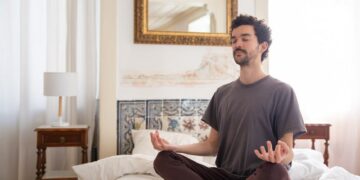
10. Body Scan Meditation
Why It Works: This form of meditation focuses on different body parts to help with awareness and relaxation, which can help release the tension held in the body.
How to Do It: Lie down or sit comfortably. Close your eyes and begin focusing on your toes and slowly move your attention up to your head, noticing any tension or discomfort.
Conclusion
Incorporating these top 10 physical relaxation techniques for stress relief into your daily routine can significantly improve your physical and mental health. These practices not only help in loosening tightened muscles and decreasing anxiety but also enhance your overall life quality by boosting mood and energy levels. Remember, the key to effective stress management is consistency, so find the activities that you enjoy the most and make them a part of your regular wellness regimen. By taking the time to care for your body, you’re also nurturing your mind and soul.