


























Unlock the Benefits of Physical Relaxation Techniques for Stress Relief
Stress is a common companion in our hectic everyday lives, affecting both our mental and physical health. Fortunately, physical relaxation techniques offer a proven pathway to reducing stress. By integrating simple practices into our daily routines, we can enhance our well-being and unlock numerous advantages. Let’s explore how you can relieve stress and improve your life through these effective strategies.
Understanding Stress and Its Impact
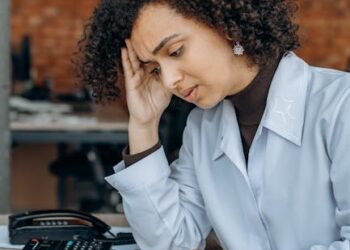
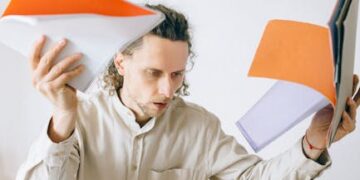
Before diving into the relaxation techniques, it’s helpful to have a clearer picture of what stress is. Stress occurs when there are high demands placed on you that you find challenging to manage. It can come from any aspect of your life — work, school, relationships, or any other pressures. Over time, chronic stress can lead to health issues such as anxiety, depression, heart disease, and a weak immune system.
Common Symptoms of Stress
- Feeling overwhelmed or anxious
- Difficulty sleeping
- Changes in appetite
- Frequent headaches or illness
- Irritability or mood swings
Physical Relaxation Techniques: A Path to Well-being
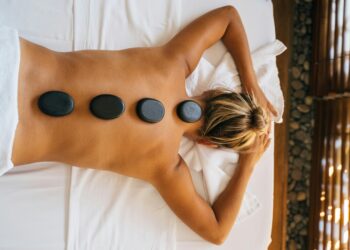
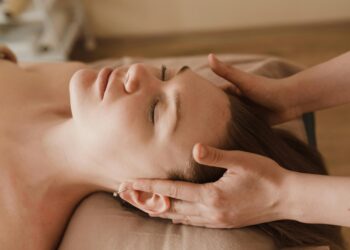
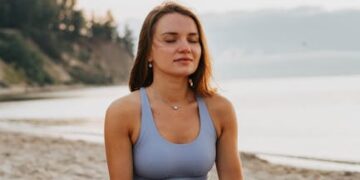
Physical relaxation techniques can play a crucial role in managing and reducing your stress levels. These methods not only relax your body but also have a positive impact on your mind, fostering a sense of peace and calm.
Breathing Exercises
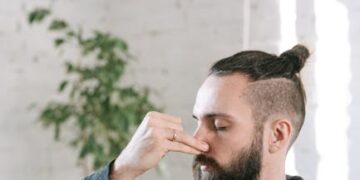
One of the most straightforward and powerful relaxation techniques is focused breathing. This includes taking slow, deep breaths to calm the nervous system and reduce tension. Here’s how you can practice it:
- Sit or lie down in a comfortable position.
- Put one hand on your chest and the other on your abdomen.
- Slowly inhale through your nose, ensuring your diaphragm inflates with enough air to create a stretch in your lungs.
- Pause briefly after inhaling and then exhale slowly through your mouth.
- Repeat these steps several times, focusing on your breath.
Progressive Muscle Relaxation (PMR)
Progressive muscle relaxation involves tensing and then relaxing each muscle group in your body. This method helps you become more aware of physical sensations and aids in releasing muscle tension tied to stress. Follow these steps:
- Find a quiet and comfortable place to sit or lie down.
- Start from your toes and work your way up to your neck and head.
- Tense each muscle group for five seconds and then relax for 30 seconds.
- Consciously release the tension as you exhale.
Yoga and Tai Chi
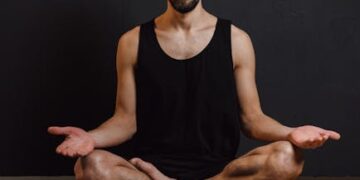
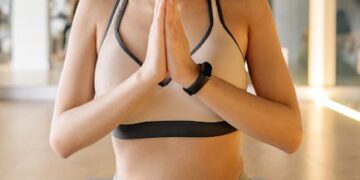
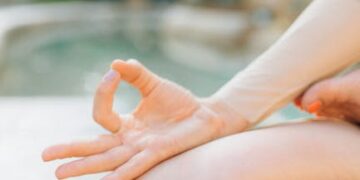
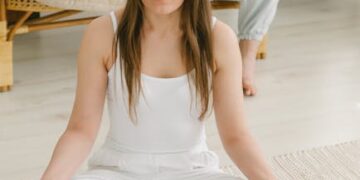
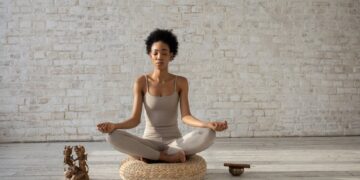
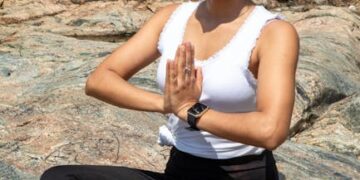
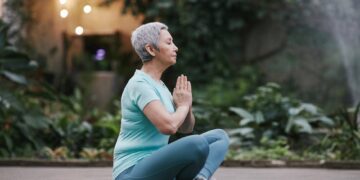
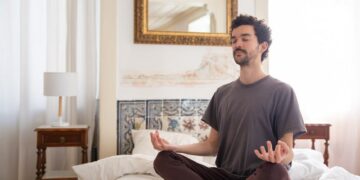
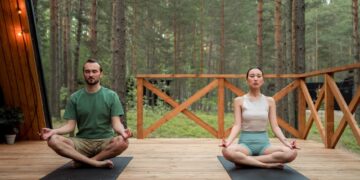
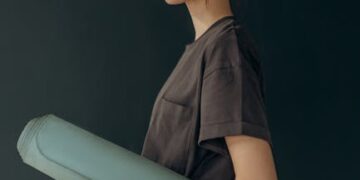
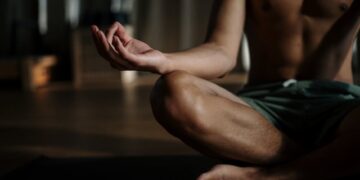
Yoga and Tai Chi are ancient practices that combine physical postures, breathing exercises, and meditation. They help reduce stress, improve flexibility, and boost stamina. These exercises can be adapted to all ages and fitness levels, making them a versatile choice for stress relief.
Practical Tips for Incorporating Relaxation Techniques into Your Routine
Knowing about these techniques is one thing, but making them part of your life is another. Here are some tips to help you incorporate them effectively:
- Consistency is key: Practice your chosen relaxation techniques regularly. It might be daily, a few times a week, or whenever you feel stressed.
- Set reminders: In our busy day-to-day operations, it’s easy to forget to take time for oneself. Setting reminders can help ensure you dedicate time to your relaxation practice.
- Start small: Even a few minutes of relaxation can be beneficial. Don’t overwhelm yourself by thinking you need an hour every day; start with short intervals that fit your schedule.
- Create a comfortable environment: Minimize interruptions by choosing a quiet space where you can relax uninterrupted.
Frequently Asked Questions
How long does it take for relaxation techniques to show results?
The benefits of relaxation techniques can often be felt immediately, such as a reduction in breathing rate and heart rate. However, long-term benefits, such as reduced overall stress levels and improvement in sleep patterns, can take longer to manifest, usually with regular practice over weeks or months.
Can these techniques help during particularly stressful events?
Yes, techniques like focused breathing or muscle relaxation can be especially helpful during stressful events. They can help manage panic attacks, reduce anxiety before a public performance, or calm one’s mind before an important decision.
Conclusion
Employing physical relaxation techniques offers a viable solution to the pervasive issue of stress. By practicing methods like deep breathing, PMR, and engaging in yoga or Tai Chi, you stand to gain a variety of health benefits that extend beyond mere relaxation. Start small, be consistent, and watch as your stress levels decrease and your overall health improves. Unlock the powerful benefits of relaxation today and lead a healthier, more serene life.