
















































Unlock the Power of Meditation for Healing: A Holistic Approach
Meditation is more than just a moment of tranquility in your busy day. It’s a transformative practice that has been used for centuries to heal both the mind and body. Today, let’s dive into how meditation can be an incredible tool in your health and wellness arsenal, offering benefits that extend far beyond the mat.
The Essence of Meditation: More Than Just Relaxation
To understand how meditation aids healing and health, it’s crucial to grasp what meditation really is. At its core, meditation involves directing your attention in a way that encourages a state of relaxation and awareness. Think of it as mental training that helps you gain control over your thoughts and feelings rather than being controlled by them.
Common Misconceptions
- Meditation is sitting still with empty thoughts: In reality, meditation is about observing your thoughts without judgment, not eliminating them.
- It requires hours of practice each day: Even a few minutes daily can be profoundly beneficial.
- Only for religious or spiritual people: Meditation is universally applicable, regardless of personal beliefs.
How Meditation Enhances Healing
Meditation can lead to profound healing effects on both the mind and the physical body. It achieves this through various mechanisms, which we will explore below.
Stress Reduction
One of the most well-known benefits of meditation is its ability to reduce stress. By calming the mind and reducing the onslaught of thoughts that fuel stress, meditation lowers levels of the stress hormone cortisol. This biochemical decrease can improve symptoms of stress-related conditions like anxiety, high blood pressure, and insomnia.
Boosting Immune Health
Regular meditation has been shown to enhance the body’s immune function. It helps by regulating the immune system, making it more efficient in defending against illnesses and speeding recovery processes. A simple daily meditation practice could be your ticket to fewer colds and infections.
Enhancing Emotional Health
Meditation supports emotional health by fostering a greater sense of calmness and increased self-awareness. This can lead to improved mood, better emotional resilience, and a deeper understanding of your thoughts and behaviors, which can help in managing symptoms of depression and anxiety.
Integrating Meditation into Your Daily Life
Adopting a meditation practice can feel daunting at first, but with a few simple steps, you can begin to unlock its powerful benefits.
Choosing the Right Type of Meditation
There are many types of meditation to choose from. Here’s a quick overview:
- Mindfulness Meditation: Focus on your breath and observe your thoughts as they drift through your mind without judging them.
- Guided Meditation: Listen to a recorded voice leading you through a calming scenario or sequence.
- Mantra Meditation: Repeat a calming word, thought, or phrase to prevent distracting thoughts.
Setting Up a Meditation Space
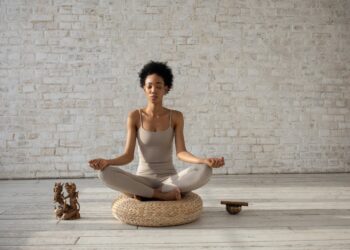
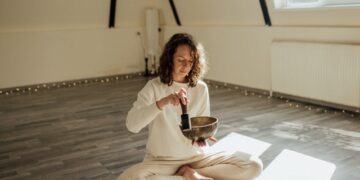
Create a dedicated space in your home where you can meditate without interruptions. This might be a quiet corner with a comfortable seat or cushion, soothing decorations, and perhaps some candles or aromatherapy to enhance the atmosphere.
Guidelines for a Fruitful Practice
To truly benefit from meditation, consider these tips:
- Consistency is key: Aim to meditate at the same time each day to establish a routine that sticks.
- Start small: Begin with just 5 minutes a day and gradually increase your time as you feel more comfortable.
- Keep an open mind: Be patient with yourself and keep your expectations realistic.
Frequently Asked Questions About Meditation for Healing
How long does it take to see benefits from meditation?
Benefits can be felt almost immediately in the form of reduced stress and a calmer demeanor. However, long-term benefits typically appear after regular practice for several weeks.
Can meditation replace medical treatment?
While meditation is a powerful tool for mental and physical health, it should not replace medical treatment prescribed by healthcare professionals. Instead, use it as a complementary practice alongside your treatment plan.
Do I need a teacher or can I meditate on my own?
While a teacher can offer valuable guidance and insights, many people effectively learn and practice meditation on their own, especially with the aid of books, apps, and online resources.
Conclusion
Meditation is a healing art accessible to everyone, from every walk of life. With countless benefits, from stress reduction to enhanced immune function, it provides a holistic approach to wellness that integrates the mind, body, and spirit. Whether you’re battling a health issue or just seeking some extra peace in your life, consider meditation not just a practice, but a journey to a better, healthier you.