












































Unlock the Secrets to Calm: Stress Reduction Exercises for a Peaceful Mind
Stress is a universal experience—something we all face from time to time, irrespective of age or lifestyle. However, it’s possible to transform this common foe into a manageable aspect of life. We’ll explore several stress reduction exercises designed to help you achieve a peaceful and tranquil mind. Incorporating these strategies into your daily routine can lead to profound improvements in both your physical and mental well-being.
Understanding the Impact of Stress
Before diving into the exercises, it’s crucial to acknowledge how stress affects us. The body responds to stress by releasing hormones that increase your heart rate and elevate your blood pressure. Continually being in this heightened state can lead to chronic health issues, such as heart disease and anxiety. Recognizing the triggers and symptoms of stress is the first step toward managing it effectively.
Common Stress Triggers
- Work deadlines
- Relationship issues
- Financial problems
- Poor health
- Unrealistic expectations
Physical and Psychological Symptoms of Stress
- Fatigue
- Difficulty sleeping
- Increased irritability
- Anxiety and depression
- Frequent headaches
Simple Yet Effective Stress Reduction Techniques
Managing stress doesn’t have to be complex or time-consuming. Here are several proven exercises that can help calm your mind and reduce stress levels:
1. Breathing Exercises
Breathing exercises are a cornerstone of stress reduction, primarily because you can perform them anywhere and anytime. A simple technique is the 4-7-8 method, wherein you breathe in for four seconds, hold your breath for seven seconds, and exhale slowly for eight seconds. This method helps regulate your breathing and induces a state of calm throughout your body.
2. Progressive Muscle Relaxation (PMR)
PMR involves tensing each muscle group in your body but doing so gently and progressively. Start with your feet and work your way up to your face. Tense each muscle for about five seconds before releasing the tension. This exercise promotes physical and mental relaxation and is especially beneficial before bedtime.
3. Guided Imagery
Guided Imagery involves visualizing a peaceful scene to distract from stressful thoughts. This could be imagining yourself on a sunny beach, hearing the waves, feeling the warm sand under your feet, and smelling the ocean air. This method helps engage your senses, which aids in reducing stress and promotes a feeling of well-being.
Incorporating Mindfulness and Meditation
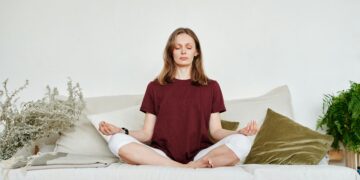
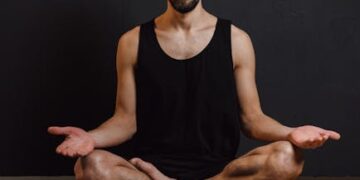
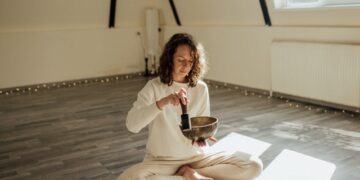
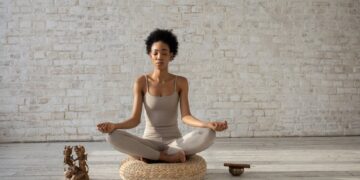
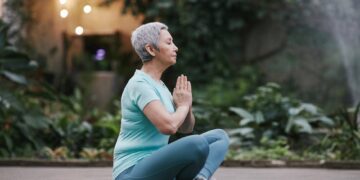
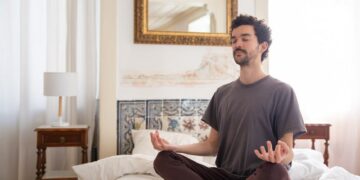
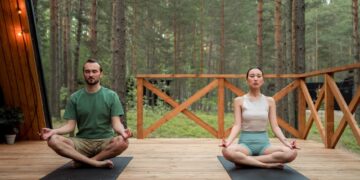
Meditation and mindfulness are powerful tools for achieving mental clarity and stress relief. These practices involve focusing on the present moment and becoming more aware of your thoughts and surroundings without judgment.
Meditation Techniques for Beginners
- Sit in a comfortable position and close your eyes.
- Focus on your breath, inhale and exhale slowly.
- If your mind wanders, gently redirect it back to your breathing.
- Start with a few minutes per day and gradually increase the duration.
Benefits of Mindfulness
- Reduces anxiety and depression
- Improves concentration
- Enhances overall emotional health
- Helps in managing stress-induced physical conditions
Physical Activities That Help Reduce Stress
Engaging in physical activities is another effective way to combat stress. Exercise not only benefits your physical health but also boosts endorphins, the chemicals in your brain that act as natural painkillers and mood elevators.
Exercises to Consider
- Brisk walking or jogging in a natural setting
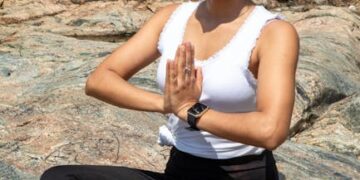
- Yoga, particularly restorative or hatha yoga
- Tai Chi, a form of martial arts focused on slow, controlled movements and deep breathing
- Sports like swimming, cycling, or team sports, which are not only good for physical health but also provide social interaction
Creating a Stress-Reducing Routine
Consistency is key in stress management. By establishing a routine, you can incorporate these exercises into your daily life, making them more effective. Here are tips for creating a routine that sticks:
How to Build Your Routine
- Start small. Choose one or two techniques and commit to practicing them daily.
- Set fixed times for these activities to help build a habit.
- Keep a journal to note down your stress levels before and after the exercises. This can motivate you as you see tangible benefits.
- Be patient and persistent. The benefits of these exercises accumulate over time.
Conclusion
Reducing stress and achieving a peaceful mind require commitment and patience, but the journey is incredibly rewarding. Start experimenting with these exercises, find what works best for you, and observe how your life changes. Remember, the key to a balanced life is a calm mind, and you hold the power to unlock it.