




















































Unlock Your Inner Peace: How Mindfulness and Self-compassion Techniques Can Transform Anxiety into Calm
Anxiety is a common thread that tethers many people to an overwhelming sense of unease and distress. In today’s fast-paced world, finding serenity often seems like searching for a needle in a haystack. However, the practices of mindfulness and self-compassion stand out as beacons of hope, providing powerful tools to transform anxiety into a calm, peaceful state. This article will explore how these techniques can help you unlock your inner peace, offering practical advice and actionable tips to incorporate them into your daily life.
The Basics of Mindfulness and Self-compassion
Understanding Mindfulness
Mindfulness is the practice of being completely present and fully engaged in the moment, without distraction or judgment. It involves a conscious direction of our awareness away from the usual preoccupations with the past or the future. By focusing purely on the here and now, mindfulness allows us to alleviate stress and foster a peaceful mind.
Embracing Self-compassion
Self-compassion is the practice of showing the same kindness and care to ourselves as we would to a good friend when they are suffering. This technique teaches us to be gentle, patient, and understanding with ourselves, particularly in moments of anxiety or stress. Incorporating self-compassion into our lives encourages a supportive and nurturing approach to handling emotional pain.
Transformative Effects of Mindfulness and Self-compassion
Engaging in mindfulness and self-compassion practices regularly can create profound shifts in the way we handle stress and anxiety. These techniques not only help in mitigating the intensity of anxiety but also transform our reaction to stressful situations, providing a pathway to greater peace and well-being.
Benefit 1: Reduced Stress and Anxiety
Studies consistently show that mindfulness reduces the cortisol levels in our body, which are directly linked to stress and anxiety. By staying grounded in the present moment, mindfulness practices prevent us from overthinking past troubles or future worries, the common triggers of anxiety.
Benefit 2: Enhanced Emotional Resilience
Self-compassion fosters emotional resilience by encouraging a non-judgmental acceptance of our emotions. Recognizing and accepting our feelings without criticism softens the impact of anxiety and allows us to recover more quickly from emotional setbacks.
Practical Mindfulness and Self-compassion Exercises
Mindfulness Meditation
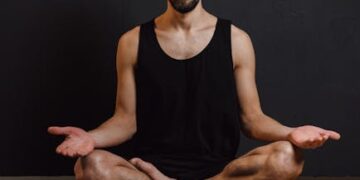
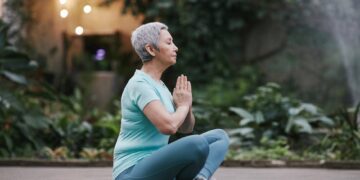
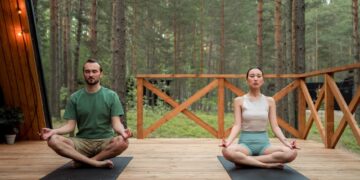
Begin by finding a quiet space and sitting in a comfortable position. Close your eyes and focus your attention on your breathing. Notice the sensation of air entering and exiting your nostrils or the rise and fall of your chest. If your mind wanders, gently bring it back to your breath. Start with five minutes a day and gradually increase the duration.
S.T.O.P Technique
Whenever you feel anxiety creeping in, apply the S.T.O.P technique: Stop what you’re doing, Take a breath, Observe your thoughts and emotions without judgment, and Proceed with something that will support you in the moment. This simple method helps in breaking the cycle of anxiety and fosters mindfulness and self-awareness.
Self-compassion Break
Take a few moments throughout your day to practice self-compassion. Close your eyes and say to yourself, “May I be kind to myself in this moment,” and “May I give myself the compassion I need.” Acknowledge that suffering is a part of the shared human experience and that you are not alone in your feelings.
Incorporating Practices into Daily Routine
Integrating mindfulness and self-compassion into your daily life doesn’t have to be time-consuming or difficult. Here are some suggestions to make these practices a natural part of your day:
- Set aside a few minutes each morning for a mindfulness meditation to start your day on a calm note.
- Use the S.T.O.P technique during various points in the day to reset and center yourself.
- Practice mindful eating during one meal a day, paying full attention to the flavors, textures, and sensations of your food.
- End your day by writing down three things you are compassionate towards yourself about, reflecting on the kindness you’ve offered yourself.
Conclusion: A Pathway to a Serene Mind
Adopting mindfulness and self-compassion can significantly alter the way we perceive and react to stress and anxiety. By practicing these techniques, we can unlock our inner peace, experiencing a state of calm and serenity that enriches all aspects of our lives. Remember, the journey to self-discovery and improvement is continuous and requires patience and dedication.
Empower yourself today by taking the first step towards transforming anxiety into calm. As you cultivate these practices, you’ll not only manage anxiety more effectively but also enhance your overall quality of life, achieving a true sense of inner peace.