

















































Unlocking Calm: Easy Meditation Techniques for Kids You Can Try Today
Amidst the hustle and bustle of modern life, even our youngest ones are not spared from the stresses and challenges this fast-paced world brings. Meditation can be a wonderful tool not only for adults but also for kids to cultivate peace and manage stress. By introducing children to meditation, we equip them with skills to maintain emotional balance and enhance their concentration. Let’s explore how you can make meditation a fun and engaging routine for the youthful minds in your home or classroom.
Understanding the Benefits of Meditation for Children
Meditation is more than just sitting quietly; it involves engaging the mind in a way that promotes relaxation and awareness. For children, the benefits can be particularly impactful, touching various aspects of their wellbeing:
- Improved Concentration: Regular meditation helps improve children’s focus and attention, which can lead to better academic performance.
- Enhanced Emotional Regulation: Through meditation, kids learn to manage their emotions better, reducing mood swings and temper tantrums.
- Stress Relief: Meditation provides a sense of calm and can help reduce anxiety and stress by promoting relaxation.
- Better Sleep: The relaxation techniques learned in meditation can help children fall asleep more easily and enjoy a deeper sleep.
How to Introduce Meditation to Kids
While meditation has profound benefits, its practice with kids should be approached in a way that aligns with their age and attention spans. Here’s a quick guide to get started:
Choosing the Right Time and Place
Select a time when the child is not too tired, hungry, or restless. Early mornings or afternoons post a light snack are ideal. The environment should be quiet, comfortable, and free from distractions, ensuring the child can focus during meditation.
Keeping it Short and Simple
Begin with short sessions, about 5-10 minutes, especially for younger kids. As they grow more accustomed to the practice, the duration can gradually be increased.
Engaging the Senses
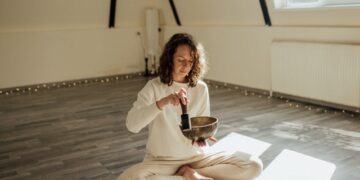
Use simple tools like bells for sound, or aromatic oils for smell to make the meditation session more engaging for kids. This helps hold their attention and makes the experience enjoyable.
Practical Meditation Techniques to Try
So, what are some effective and fun meditation techniques that can be easily tried? Here are a few:
1. Mindful Breathing
Teach children to pay attention to their breathing. Have them sit comfortably and close their eyes. Instruct them to take slow, deep breaths, counting to three during each inhale and each exhale. This helps in centering their mind and body.
2. Guided Imagery
Use stories or scenarios that capture their imagination. Guide them through a peaceful forest or a quiet beach where they can visualize relaxing scenery. This not only calms the mind but also stimulates their imagination.
3. Focused Attention
In this technique, ask children to focus on a particular object, sound, or smell. It could be a candle flame, the sound of a ticking clock, or the smell of flowers. This helps improve their concentration and mindfulness.
4. Movement Meditation
Incorporate simple movements, like stretching or walking in a meditative state. This is especially beneficial for kids who might find it difficult to remain still for traditional meditation practices.
Incorporating Meditation into Daily Routine
Making meditation a regular part of kids’ routine is vital for its benefits to take root. Here are some tips:
- Establish a regular schedule for meditation, helping it to become a habit.
- Encourage kids to use meditation techniques when they feel stressed or overwhelmed.
- Incorporate meditation into bedtime routines to aid in a restful sleep.
Conclusion
Meditation is a valuable skill that can significantly improve children’s mental, emotional, and physical health. By introducing these techniques early, you empower them to deal with the complexities of life in a balanced and calm manner. So why not start today? With a little bit of patience and creativity, meditation can be a rewarding experience that your child will carry into adulthood.