






















































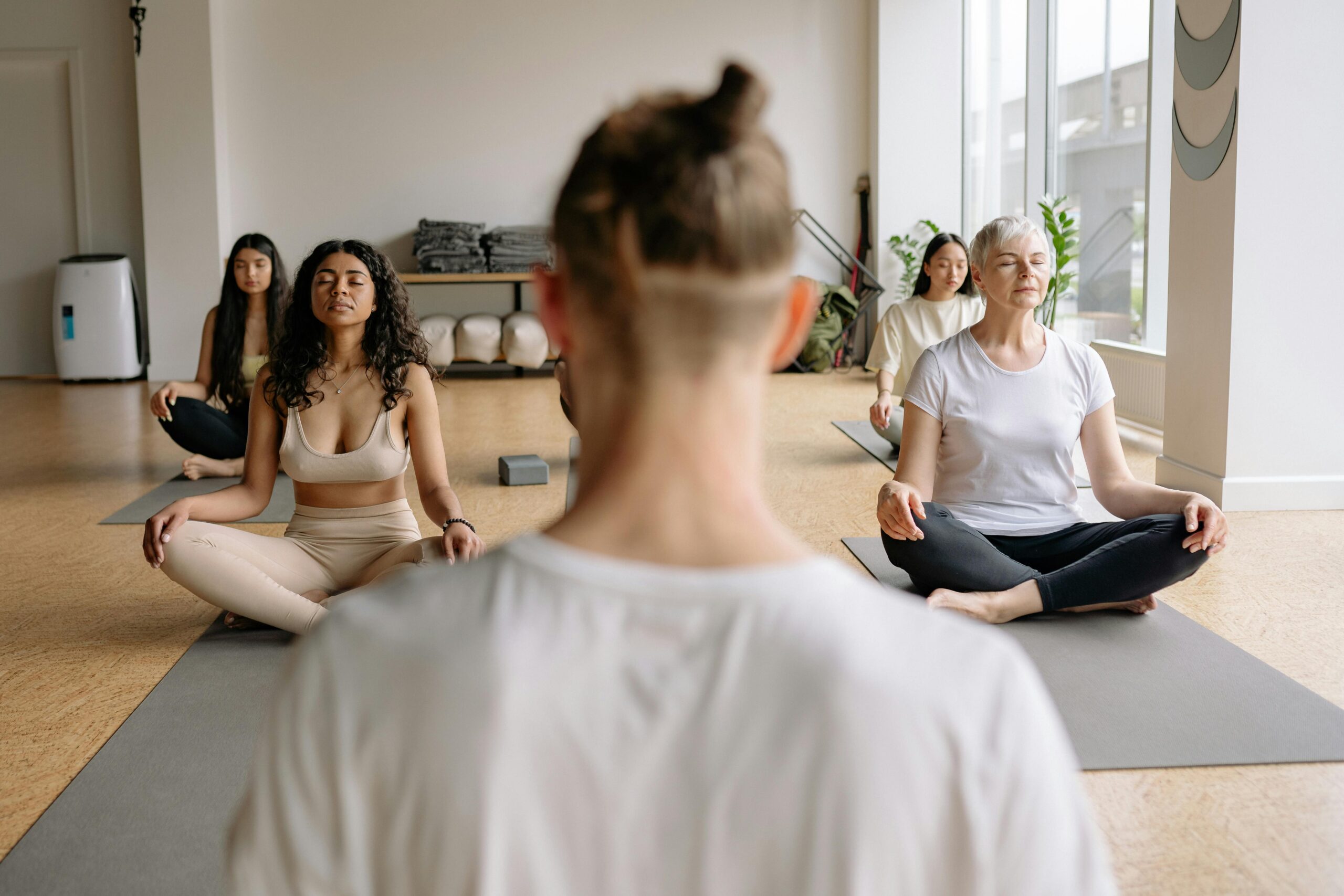
5 Simple Mindfulness Techniques for Anxiety at Work
Ever found yourself staring blankly at your computer screen, your heart pounding and your mind racing with deadlines and demands? If this scenario feels all too familiar, you’re not alone. Anxiety at work is a common issue that affects many of us, interrupting our productivity and well-being. Fortunately, mindfulness can be a powerful tool to regain control and focus. Here’s how you can integrate simple mindfulness techniques into your workday to combat anxiety and boost your performance.
Why Mindfulness Matters
Mindfulness involves being fully present in the moment, aware of where we are and what we’re doing, without becoming overly reactive or overwhelmed by what’s going on around us. Implementing mindfulness practices at work can help reduce stress, enhance concentration, and improve mental clarity.
Techniques to Start Today
1. Controlled Breathing
How it helps: Breathing deeply and slowly can directly influence our nervous system, transitioning from a state of stress to a state of relaxation.
How to do it:
- Sit comfortably, place your feet flat on the floor.
- Slowly inhale through your nose, counting to four.
- Hold your breath for a count of four.
- Exhale slowly through your mouth for a count of four.
- Repeat several times, especially when you feel the anxiety levels rise.
2. Mindful Observation
How it helps: This technique helps disconnect you from the overwhelming feelings by encouraging focusing on the external instead.
How to do it:
- Choose a natural object within your view—or bring something, like a flower or a small plant.
- Focus on watching it for a minute or two, examining its features, shapes, colors, patterns.
- This connection with nature can help clear the mind and induce a state of calmness.
3. The Five-Senses Exercise
How it helps: Engaging all your senses enhances your awareness, grounding you in the present moment.
How to do it:
- Take a brief moment to observe five things you can see around you.
- Listen for four different sounds.
- Touch three objects, paying attention to their textures.
- Identify two different smells.
- Taste one thing, even if it’s just a sip of water.
- This quick exercise can significantly calm anxiety and refocus your senses.
4. Mindful Walking
How it helps: Even a short walk can significantly shift your mental state, especially when done mindfully.
How to do it:
- Instead of rushing from one meeting to another, try to slow down.
- Pay attention to each step, how your feet lift off and touch the ground.
- Feel the movement of your body and notice how you navigate the space.
- Mindful walking can be a form of meditation in action, refreshing your mind and easing tension.
5. Visualization
How it helps: Visualization fosters a peaceful, positive mindset by replacing anxiety with a calming image.
How to do it:
- Close your eyes for a minute and imagine a peaceful scene—a quiet beach, a serene garden, or a snow-covered wood.
- Focus on the details: the sounds, the smells, the colors.
- Use this image to replace the chaotic thoughts and bring tranquility to your mind.
Integrating Mindfulness into Your Routine
Consistency is key when practicing mindfulness. You might notice immediate relief, but the long-term benefits come with regular practice. Try to set specific times during your day for these exercises—perhaps a controlled breathing session before a stressful meeting or a mindful walk during your lunch break.
In Conclusion
By implementing these five simple mindfulness techniques, you not only fend off work-related anxiety but also enhance your overall mental resilience. Start with one technique and gradually incorporate more until mindfulness becomes a natural part of your daily routine. The path to a calmer, more focused you at work begins with these simple steps.