






















































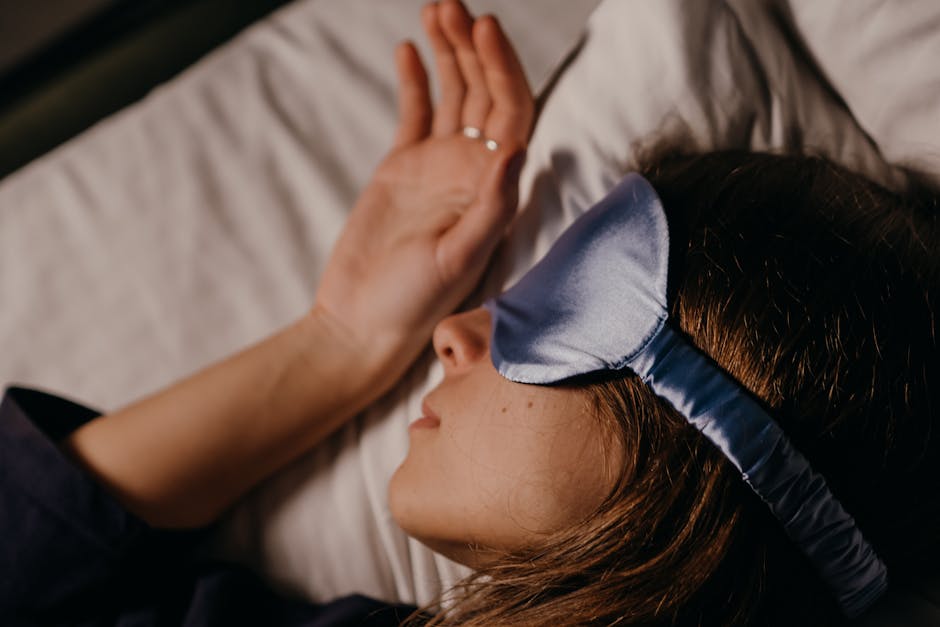
Unlock Better Rest: How Visualization for Sleep Can Transform Your Nights
Ever wondered how world-class athletes manage to keep their fitness at peak levels? It turns out, many utilize a technique called ‘visualization’ not just for their performance, but also to enhance their rest. If it can work for them, why not for us, too?
Delving into the Science of Visualization
Here’s the thing, visualization isn’t just wishful thinking. It’s a method backed by science, involving the imagination to encourage relaxation and improve sleep quality. When we visualize, our brain generates images that can make us feel calm and peaceful, preparing us for a good night’s rest. It’s akin to programming a calming scene inside our head that helps transition our body into sleep.
How Does It Work?
Visualization functions by activating the same neural networks that actual physical experience would stimulate. Think of it as a mental rehearsal in tranquility, where the soothing scenario plays on repeat. This process significantly reduces stress levels, slowing down the heart rate and decreasing blood pressure, thereby making sleep a natural next step.
Applying Visualization for Better Sleep
You may now be curious about how to use this powerful tool as part of your bedtime ritual. Let’s get right into it with a few actionable tips:
Step 1: Choose Your Peaceful Scene
Start by crafting a scenario that brings you peace. It could be a quiet beach at sunset, a serene mountain landscape, or a cozy, warm room. The key is personalization – pick a scenery that resonates deeply with you.
Step 2: Engage All Your Senses
To deepen the impact, involve all your senses in this visualization. Imagine the sounds in your peaceful scene, the scents, and even the textures around you. The more vivid the sensory details, the more immersive the experience.
Step 3: Regular Practice
Incorporate this visualization technique into your nightly routine. It might feel a bit awkward initially, but with persistence, it becomes a natural prelude to sleep. Aim to spend at least five minutes visualizing your calming scene before bed each night.
Real-Life Success Stories
Take Claire, for instance, a busy software developer, who struggled with insomnia for months. By integrating visualization techniques into her bedtime routine, she not only reduced the time it took to fall asleep but also improved her sleep quality. She chose a quiet forest pathway drenched in the golden light of sunset, a scene that she found particularly relaxing.
Why Give It a Try?
You might think, “Is such a simple technique effective?” Well, visualization doesn’t just help with relaxation but also plays a significant role in cognitive and emotional regulation. It allows you to take control of what often feels uncontrollable—your thoughts at night.
Conclusion: Embrace the Power of Your Mind
Remember, unlocking better rest through visualization for sleep isn’t just about fleeting night improvements; it’s about transforming your overall well-being. Your chosen scenes of tranquility do more than guide you into sleep; they align your mind and body towards a peaceful harmony, paving the way for restorative sleep. So why not give it a try tonight? You might just surprise yourself with the serenity and rejuvenation that awaits.