

















































5 Essential Meditation Techniques for Students to Boost Focus and Reduce Stress
Have you ever felt like your mind is crowded with due dates and facts during exam season, almost like a web browser overloaded with tabs? You’re not alone. Students, in particular, battle constantly to maintain their focus amidst the whirlwind of academics, social life, and personal issues. Happily, integrating simple meditation techniques into your daily routine can clear that mental clutter, boost your focus, and dramatically reduce stress levels. Here’s why meditation’s role in academic settings is becoming increasingly crucial and how it can be your new best friend through your school years.
Understanding Stress and Focus: Why Meditation?
Before diving into the techniques, it’s essential to understand what leads to this overwhelming stress and lack of focus. Both emanate largely from incessant mental chatter and the inability to regulate our attention. Meditation helps by training the brain to be more present and attentive, which not only reduces stress but enhances cognitive functions critical for academic success.
1. Mindfulness Meditation
What is Mindfulness Meditation?
Mindfulness meditation involves paying attention to the present moment without judgment. By fostering an increased awareness of the here and now, this technique helps students mitigate the anxious thoughts related to the past or future.
How to Practice:
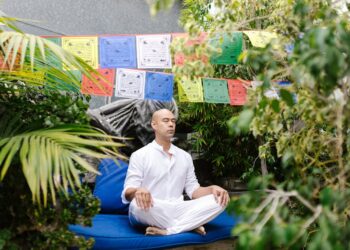
- Find a Quiet Spot: Begin by finding a comfortable and quiet place to sit.
- Focus on Your Breath: Close your eyes and focus solely on your breathing. Notice the sensation of air filling your lungs and slowly leaving.
- Acknowledge Your Thoughts: As thoughts arise, simply acknowledge them and let them go, bringing your focus back to your breathing.
2. Guided Visualization
What is Guided Visualization?
This technique involves visualizing positive images and scenarios to induce relaxation and focus. It’s particularly useful during stressful times like exams or presentations.
How to Practice:
- Choose Your Scenario: Sit comfortably, close your eyes, and imagine a scene that you find calming or encouraging. This could be a quiet beach, a successful presentation day, or acing an exam.
- Use Guided Imagery: There are numerous apps and online resources that guide you through scenic visualizations that can enhance this experience.
3. Concentrative Meditation
What is Concentrative Meditation?
Concentrative Meditation focuses on a single point of reference. It trains your mind to focus on one thing at a time, enhancing your attention span.
How to Practice:
- Select Your Focus Point: This could simply be your breathing or a specific word or mantra that you repeat silently.
- Stay Committed to the Focus: Whenever your mind wanders, gently redirect it back to your chosen focus.
4. Progressive Relaxation
What is Progressive Relaxation?
Also known as body scan meditation, progressive relaxation involves focusing on different parts of the body in turn to achieve a state of complete relaxation.
How to Practice:
- Start from the Feet: Lie down and slowly shift your attention from the toes to the head, noticing any tension and consciously relaxing those areas.
5. Walking Meditation
What is Walking Meditation?
Ideal for students who find it difficult to sit still. This practice involves walking in a structured path while being mentally aware of your body’s movements.
How to Practice:
- Choose a Quiet Path: Find a tranquil path and focus on the sensation of your legs moving and feet touching the ground.
- Align Breathing with Steps: If possible, synchronize your breath with your steps to enhance concentration.
Why These Techniques Matter
Incorporating these five meditation techniques can dramatically enhance mental clarity, reduce stress, and improve your ability to concentrate. By practicing them regularly, you might notice a significant boost in your academic performance and overall well-being.
Summary
Whether it’s through mindfulness that keeps you present, guided visualization that prepares you for success, concentrative techniques that elevate your focus, body relaxation that releases stress, or walking meditation that allows restless energy to be harnessed constructively, meditation provides numerous paths to grounding and clarity. Start with just a few minutes each day, and soon, these methods will become a cornerstone of not only your academic success but also your personal happiness.
Remember, the journey to being less stressed and more focused is not instantaneous. But with consistent practice, the results might just surprise you. Why not begin today?