












































Unlocking Peace: Exploring Effective Meditation Techniques for Seniors
Did you know that meditation can significantly enhance the quality of life for seniors, offering both mental and physical benefits? As we age, finding methods to mitigate stress and foster serenity becomes crucial, and meditation serves as a powerful tool to achieve this.
Understanding Meditation’s Benefits for Seniors
First off, let’s talk about why meditation is so beneficial for seniors. As you grow older, you might face various challenges like health issues, loss of loved ones, or even feelings of loneliness. Here’s the thing: meditation can help! It is known to decrease stress, improve sleep, lower blood pressure, and even strengthen immunity. Essentially, it helps maintain both your emotional and your physical health.
Finding the Right Type of Meditation
Not all meditation styles are created equal, and what works for one person might not suit another. Here are a few simple yet effective techniques tailored for seniors:
- Mindfulness Meditation: This involves paying close attention to the present moment, observing your thoughts and feelings without judgment. A basic way to start is by focusing on your breath and simply noting distractions as they arise before gently returning to your breathing.
- Guided Meditation: Perfect for beginners, this form of meditation involves following a guided audio or video where an instructor talks you through the relaxation process. This can include visualizing peaceful scenes or journeys to help evoke calmness.
- Chair Yoga: Combining gentle yoga movements while seated, this practice incorporates mindful breathing and meditation, making it ideal for those with mobility issues.
Each style has unique benefits, so try them out and see what feels best for you. Experimenting is key to finding your meditation groove!
Creating a Fruitful Meditation Routine
To reap the full benefits of meditation, consistency is vital. Here’s how you can integrate it seamlessly into your daily routine:
Setting the Scene
First, designate a quiet spot in your home where you won’t be disturbed. A comfortable chair or a cushion in a peaceful corner works great. Ensure your chosen spot is away from the hustle and bustle of household activity.
Regular Practice
Let’s understand—the frequency of your meditation matters. Aim for daily sessions, even if it’s just for 5-10 minutes. Regularity is more beneficial than duration; it’s about quality, not quantity.
Joining a Group
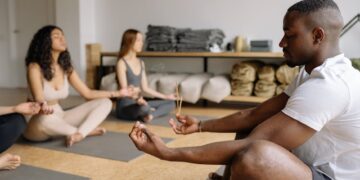
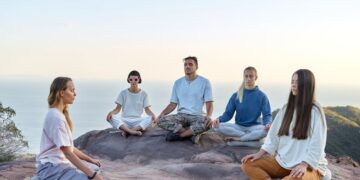
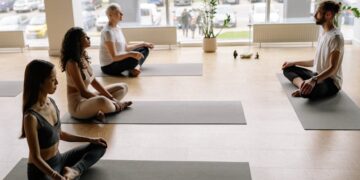
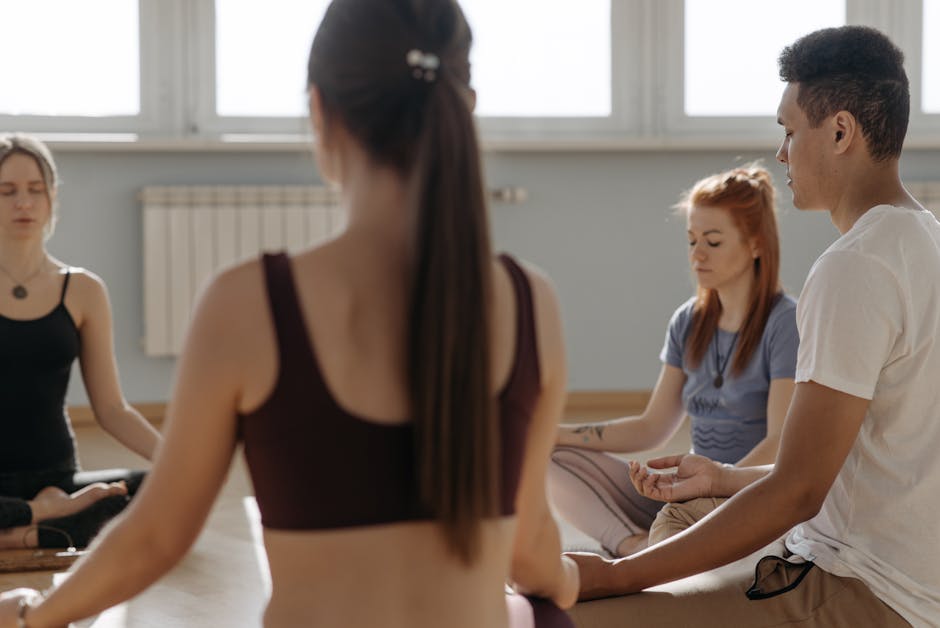
Consider joining a meditation group once in a while. Many community centers and senior clubs offer meditation sessions designed specifically for older adults. This not only helps in learning proper techniques but also adds a social element to your routine.
Overcoming Challenges in Meditation
Starting a new practice like meditation might feel daunting at first, especially if you’re dealing with health issues or simply doubting if it’s right for you. Remember, everyone starts somewhere. Even the act of sitting quietly for a few minutes is progress.
Dealing with Physical Limitations
If sitting on the floor is difficult, chair meditations are a fantastic alternative. Also, if you find your mind races too much, guided meditations can help keep you focused.
Remember, there’s no ‘right’ way to meditate. The best method is the one that you will stick with and enjoy the most.
In Conclusion: Taking the First Step
Meditation isn’t just a trend; it’s a way of living that can significantly enhance the golden years by bringing more peace and fulfillment. All you need to do is take that first step, find what resonates with you, and watch as your life transforms. Remember, the journey of meditation is as rewarding as the destination!